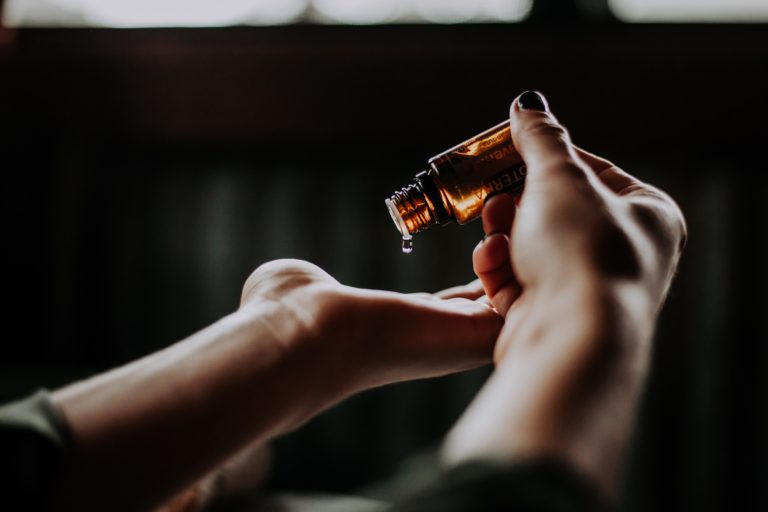
Top 7 Things to Know About Lavender
1. The Calming Scent of Lavender Essential Oil
When you think of calming scents, does lavender essential oil come to mind? Lavender is one of the best comforting and calming scents. It helps to unwind and relax when you add a few drops to a nighttime bath. Diffusing it into the air gives a clean and fresh scent. Lavender can help eliminate odors too. Generally speaking, lavender has a sweet floral aroma that is fresh and herbaceous. It is both refreshing and soothing. It helps the body adapt to stress or imbalances and is also thought to help increase energy. It is frequently used to sooth skin and enhance beauty through its use in lotions and soaps.
2. History of Lavender
Lavender has a long history originating about 2,500 years ago. It is a beautiful and fragrant flowering plant from the mint family. It has multiple uses.
Lavender is believed to have roots in the Mediterranean, Middle East and India. Its name comes from the Latin word “lavare” which means “to wash.” Ancient Romans were known to use lavender for bathing so everyone knew they were clean afterwards because of their scent. Romans were thought to have used the scent for not only their baths but also their clothes, hair and beds. Romans also seemed to find it had medicinal properties and highly regarded it for skin and beauty uses.
Greeks called Lavender nardus – named after the City of Naarda, a syrian City. The term was shortened to “nard.” This use of the term caused some confusion with whether spikenard was actually referring to lavender, but it the current consensus seems to indicate that they were historically differentiated as two different plants.
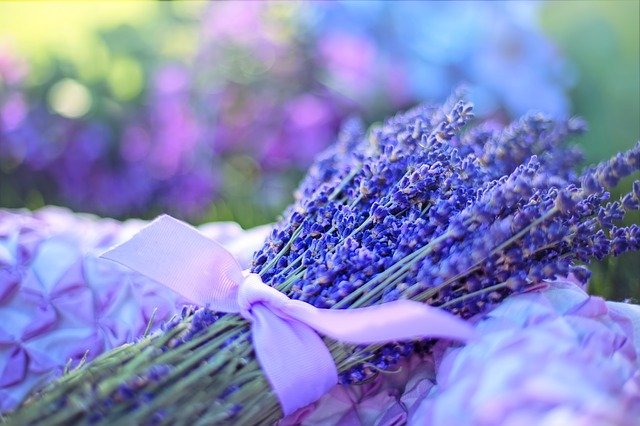
A lovely lavender bouquet
3. Where is Lavender Grown Today and how is Lavender Oil created?
Lavender has a distinct purple flower. Lavender is now grown in many areas including North and South America, Europe and Australia. Lavender essential oil is extracted primarily from the flowering part of the plant, including the buds and flowers. The plant is distilled to create lavender essential oil.
4. Is Lavender Edible?
Generally lavender is edible, but unless it is labeled as culinary lavender it may be more bitter than you might prefer. Culinary lavender is typically found as dry flowers in the bulk section of grocery stores or on Amazon.
5. Lavender Uses Today
Lavender smells great added to lotions, shampoos or skin care products. Lavender Essential Oil is used for its calming properties, often rubbed on temples and wrists. Lavender essential oils that are specifically labeled for human consumption can be used to flavor beverages or used for cooking.
6. Culinary Uses
Like other members of the mint family, lavender has been used for flavoring food and beverages. One spice blend in particular, Herbs de Province, features lavender. Herbs de Province is thought to embody the essence of southern France. Other mint family herbs include sage, rosemary and thyme.
Lavender naturally has a floral flavoring, but it is slightly sweet and lends elegant class to a variety of foods including deserts, cheeses, soups, salads, meat dishes, seafood dishes, baked items and candy items.
7. Lavender Recipes
There are several lavender cookbooks, including Sharon Shipley’s “The Lavender Cookbook” (https://www.amazon.com/Lavender-Cookbook-Sharon-Shipley/dp/0762418303). Cookbooks like this feature lavender and show a variety of uses for lavender that will tease your taste buds and highlight multiple new uses.
A quick search for lavender recipes yields a plethora of options. One website with lots of lavender recipes, many on the sweeter side, is the post “Lovely Lavender Recipes” by Boulder Locavore (https://boulderlocavore.com/15-lovely-lavender-recipes/).
Lavender tea… delicious.

Lavender Tea
Lavender makes a lovely tea, either combined with green tea or as an herbal tea on its own. One of the suggested uses of lavender by Boulder Locavore is simply adding it, along with lemongrass to green tea as a sun tea. It sounds simple and delicious.
Dried lavender can be added to boiling water for a simple herbal tea. Try 1 teaspoon of dried florets to 1 cup of water. If you have fresh lavender, you can use 2 teaspoons of fresh florets to 1 cup of water. Add the boiled water and lavender together and let it steep, covered for 15 minutes. Add honey to sweeten if desired, or create a lavender simple syrup to sweeten it.
Sweet Lavender Recipes:
Sweeter recipes that feature lavender include Grandmas Lavender Cookies https://www.cakenknife.com/grandmas-lavender-cookies/ and Blackberry Lavender Cake https://sallysbakingaddiction.com/blackberry-lavender-cake/.
Lavender Simple Syrup
Lavender simple syrup is a thick syrup that can be used to add lavender flavor to a number of different recipes. It can be stored about 3 or 4 weeks in the fridge if it is tightly sealed. Emily Fabulous (https://emilyfabulous.com/10-u… ) has a web post that features Lavender Simple Syrup that steps through the process of making it and gives 15 different uses for it.
Fresh Lavender Blossoms
If you are fortunate enough to have fresh lavender blossoms, you can rinse them, separate the flower from the stem and leaves and place one floret in each cube space of an ice cube tray. Add water to cover. Freeze. They can be added to all of your favorite cold beverages for enjoyment long after the lavender season has come to an end for the year.
Lavender Stems
The stems of lavender are firm and can be used as a beautiful skewer for anything easy to skewer including soft fresh fruit, basil leaves, cheese, or even meat slices or meat balls. For extra flavor, refrigerate the skewers for at least a half hour to allow the lavender to infuse into the food items. For extra decadence you can add a sprinkle of Herbs de Provence.
Lavender has a multitude of uses and benefits. Give it a try today! Check out my website (https://marymonroe.marketingsc…) to order Lavender essential oil. Be sure to get the Vitality version if you are planning to consume it internally.